Importance of Iftar Distribution in Ramadan
The importance of iftar distribution in Ramadan goes beyond providing meals. This sacred practice of feeding the fasting demonstrates Islamic charity while strengthening bonds within communities during the holiest month.
Spiritual Rewards of Iftar Distribution
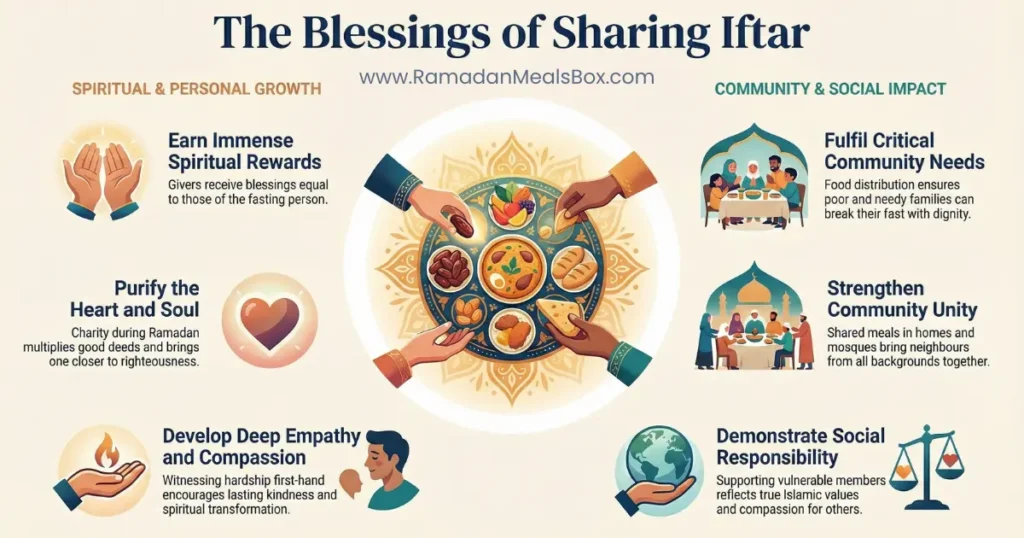
The rewards of feeding a fasting person bring immense Thawab and spiritual blessings. Islamic teachings promise that those providing ramadan iftar charity receive rewards equal to the faster without reducing their blessings. These spiritual rewards of iftar open doors to forgiveness.
Charity during Ramadan purifies hearts and multiplies good deeds. Breaking the fast together creates powerful connections with Allah and accumulates ramadan blessings that extend throughout the year.
Fulfilling Basic Needs During Ramadan
Ramadan charity food distribution addresses the critical need of feeding the hungry in ramadan. Poor and needy families and the labour community struggle to afford nutritious meals. Food donation programs ensure these individuals break the fast with dignity.
Helping the needy during this month demonstrates social responsibility in ramadan. Supporting vulnerable community members reflects true Islamic charity values and shows genuine compassion for those facing hardship.
Developing Empathy and Compassion
Why iftar distribution is important in ramadan becomes clear through empathy development. Witnessing struggles of fasting people cultivates deep understanding. This awareness encourages acts of kindness throughout the community.
Compassion in ramadan transforms hearts spiritually. Helping poor during ramadan connects us to the month’s true essence. These experiences of giving create lasting changes in both givers and receivers.
Strengthening Community and Unity
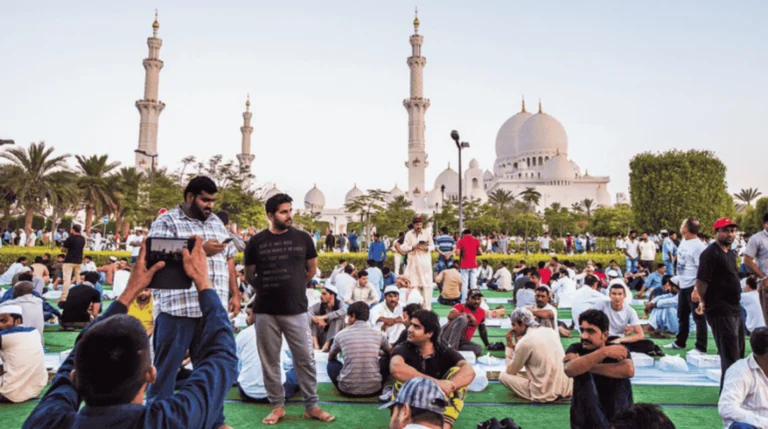
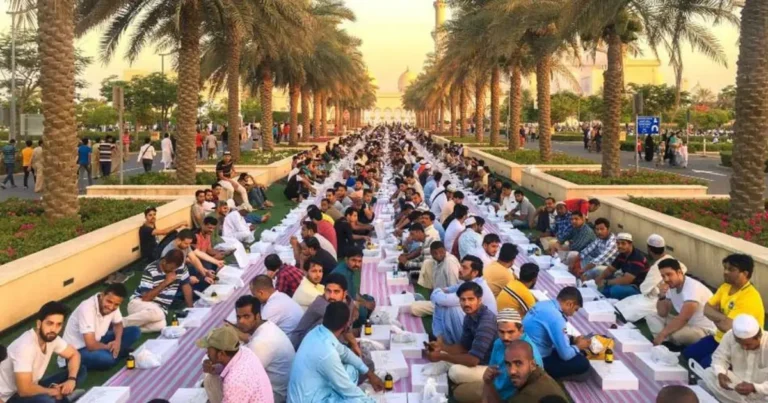
Community iftar programs bring families and neighbors together in unity. These gatherings promote solidarity and unity across backgrounds. Mosque iftar programs serve as central gathering points for shared meals. Ramadan meal sponsorship enables collective charitable participation.
These initiatives strengthen social bonds and reinforce social responsibility in ramadan values throughout neighborhoods and cities.
Acts of Charity and Sadaqah
The benefits of iftar distribution include powerful sadaqah in ramadan that purifies souls. These selfless acts of kindness demonstrate concern for others’ wellbeing.
Sponsoring meals for those unable to fast shows true compassion. Such charitable deeds carry exceptional spiritual weight. They bring givers closer to righteousness while providing essential support to community members in need.
How Iftar Distribution Happens
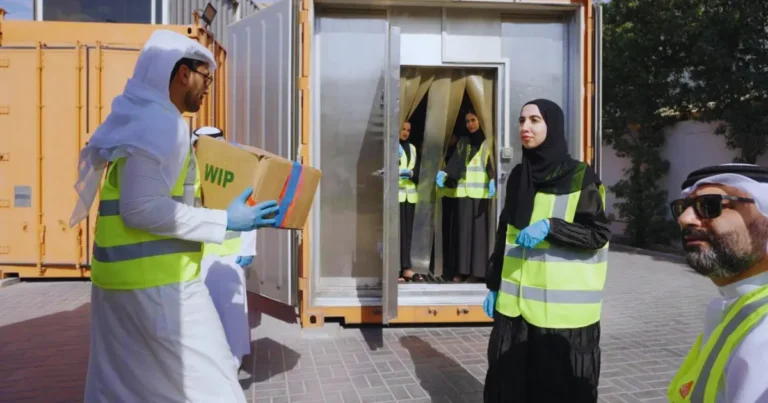
Charitable organizations coordinate large-scale ramadan charity food distribution daily. Food boxes containing dates and nutritious items reach mosques and public spaces through food donation networks. Mosque iftar programs welcome everyone regardless of background.
Individuals share homemade meals with neighbors. Community iftar initiatives ensure feeding fasting people in ramadan reaches those needing support most while maintaining personal connections that make this charity meaningful.
Conclusion
The importance of iftar in ramadan strengthens communities and deepens spirituality. This practice encourages ongoing generosity and compassion in ramadan. It ensures everyone shares ramadan blessings regardless of circumstances through acts of Islamic charity and unity.