What is Ramadan and Why is it Important?
Ramadan is the ninth month of the Islamic calendar, observed by Muslims worldwide through fasting and spiritual devotion. For those asking what is Ramadan, this Islamic holy month holds profound significance in Islam as a time for reflection, prayer, and strengthening one’s connection with Allah while practicing self-discipline and empathy toward others.
The Islamic Lunar Calendar
Ramadan falls in the ninth month of Islam’s lunar calendar, which means its dates shift by approximately eleven days each year. Muslims anticipate Ramadan 2026 and each year’s observance as the holiest period in their faith.
Fasting (Sawm)
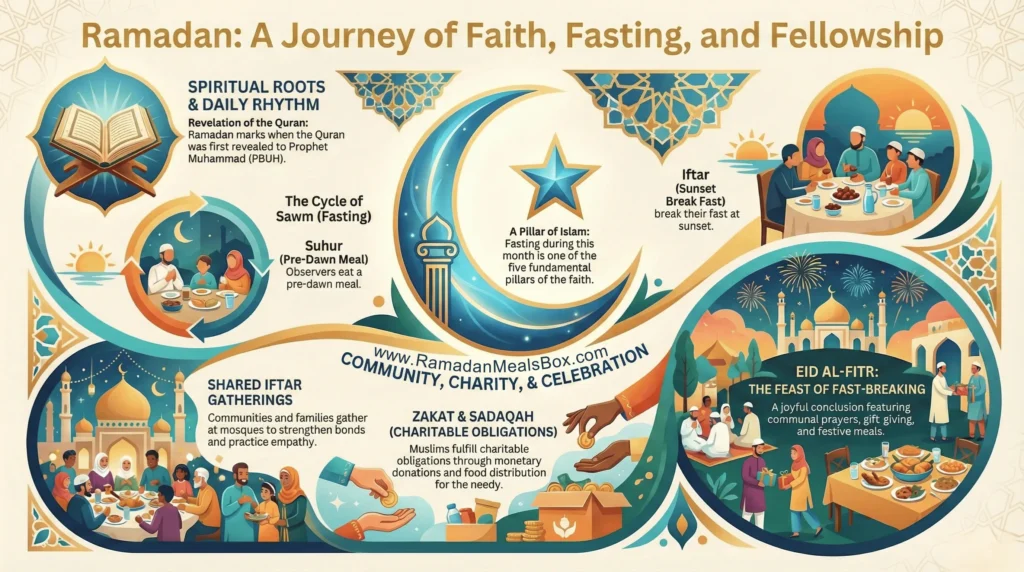
Fasting in Ramadan requires abstaining from food, drink, and other physical needs from dawn until sunset. Observers begin their day with Suhur, a pre-dawn meal, and break their fast at Iftar after sunset. These Ramadan fasting rules represent one of the Five Pillars of Islam.
Spiritual Importance of Ramadan
Quran Revelation
The significance of Ramadan in Islam traces back to when the Quran was first revealed to Prophet Muhammad (PBUH) through Angel Jibreel. This divine revelation explains why Ramadan is the holiest month in Islam, making it a period of intensified worship and Quranic recitation.
Prayer and Charity
Beyond fasting, Ramadan rituals include increased Salah (prayers) and acts of charity. Muslims fulfill Zakat obligations and give Sadaqah to earn Thawab (spiritual rewards). Charity in Ramadan takes many forms, from monetary donations to organizing food distributions for those in need.
Self-Reflection and Growth
The spiritual benefits of Ramadan include fostering self-discipline and encouraging believers to examine their actions and intentions. This month promotes spiritual growth through consistent worship, patience, and mindfulness.
Community and Empathy During Ramadan
Shared Iftar Meals
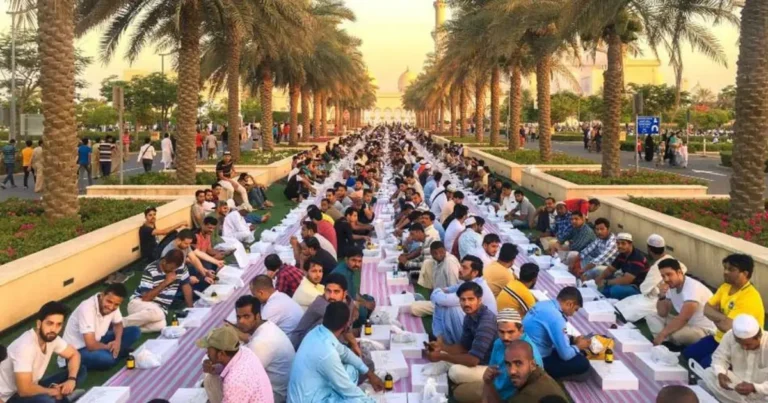
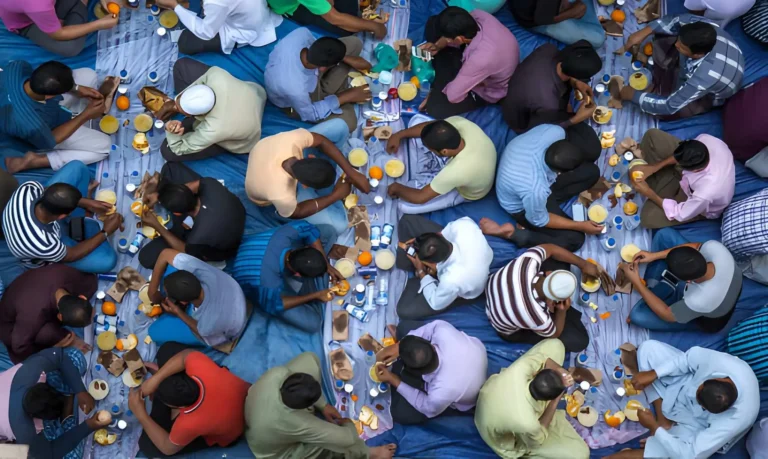
Families, neighbors, and entire communities gather at mosques and community centers for shared Iftar meals. These gatherings strengthen bonds and create opportunities for Ramadan and community bonding across diverse backgrounds.
Charity and Helping the Needy
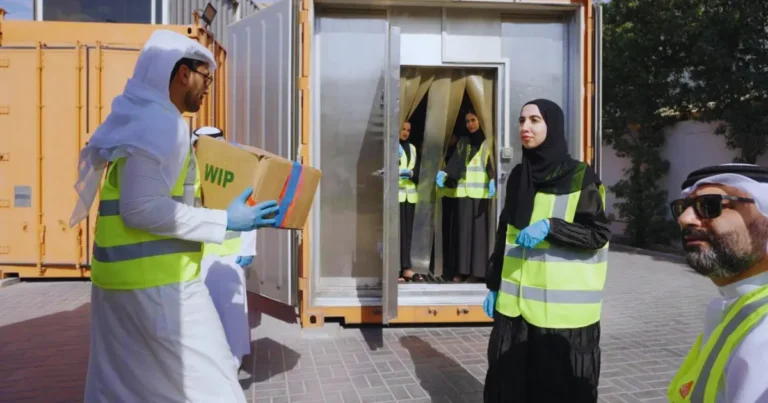
Food distribution events across the UAE exemplify the importance of Ramadan’s charitable spirit. Organizations and volunteers prepare meals for labor workers, low-income families, and vulnerable residents. These initiatives practice Zakat and Sadaqah while honoring Ramadan rituals, ensuring everyone can break their fast with dignity and abundance.
Culmination: Eid al-Fitr
Celebration and Festivities
Ramadan concludes with the Eid al-Fitr celebration, known as the Feast of Fast-Breaking. Muslims attend communal prayers, exchange gifts, and share festive meals with loved ones.
Reflection and Gratitude
This joyous occasion balances celebration with continued reflection and devotion. The Eid al-Fitr celebration emphasizes gratitude and compassion, reminding believers of the month’s lessons while marking a return to regular routines.
Conclusion
Ramadan fosters spiritual growth, self-discipline, and deep empathy for those less fortunate. Through fasting, prayer, and charitable acts like food distribution events in the UAE, Muslims strengthen their faith and community ties, culminating in the joyous Eid celebration that honors a month of devotion.
Discover Ramadan’s spiritual significance and how UAE food distribution events honor this Islamic holy month through charity and community bonding.